
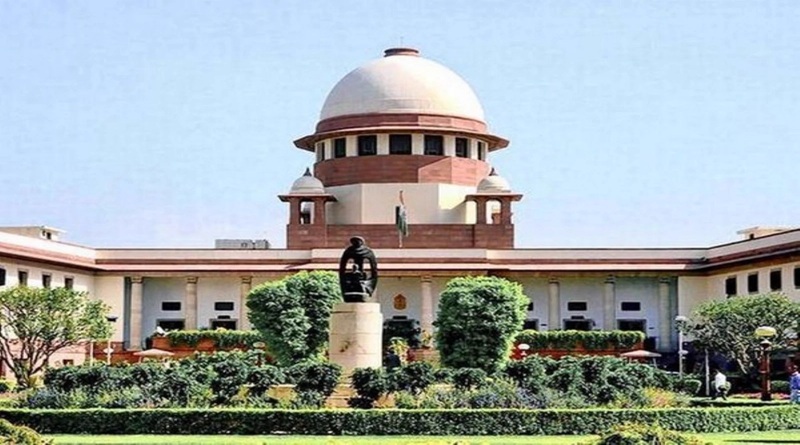
The 135-year-old Central Secretariat Library in Delhi houses more than 850,000 books and historical documents. The case will be heard in the Supreme Court.
The Supreme Court has taken suo motu cognizance of the planned demolition of Delhi’s 135-year-old Central Secretariat Library. A bench of Justices Sanjay Kumar and Sanjeev Sachdeva will hear the matter on Monday. The new structure being constructed as part of the Central Vista Project has revealed that there is no space for the library. The court has taken cognizance of the matter, citing the importance of protecting approximately 850,000 rare books and historical documents.
The Central Secretariat Library’s history dates back to 1891. It was initially established as the Imperial Secretariat Library. Following the relocation of the capital from Kolkata to Delhi in 1911, the library also moved to Delhi. Currently housed in Shastri Bhavan, it houses over 850,000 volumes, rare books, government records, and gazettes. This extensive collection has led to the library being viewed not just as a repository of books, but as an important center for the country’s administrative and historical records.
What was the controversy over space in Central Vista?
Under the Central Vista project, there are plans to demolish Shastri Bhawan and construct a new government structure. Consequently, the Central Secretariat Library is also being relocated from its existing building. This raised questions about whether the new plan would provide adequate space for the library and the preservation of its rare collections. However, the government has now clarified the situation. The Union Ministry of Housing and Urban Affairs stated on October 2 that space has been allocated for the Central Secretariat Library in the Kartavya Path redevelopment plan, and the necessary procedures for its construction are underway.
Why is this library special?
The library’s collection includes rare books, government documents, old records, and gazettes. Therefore, the safety of the books and documents during the relocation is a major concern. Experts have pointed out the need for proper records, preservation, temperature control, and digitization when moving such a collection.