
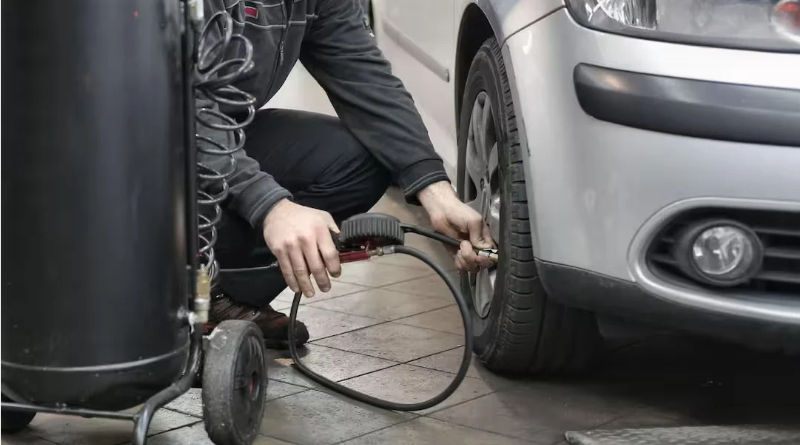
This information isn’t specific to any car, but rather to all cars. Learn the typical PSI range for each segment, where to find the correct reading, mistakes to avoid when checking the air pressure, and what to do under load.
Regardless of your vehicle, maintaining the correct tire pressure is crucial. Underinflation wears out faster and reduces fuel economy, while overinflation weakens grip. We’re not talking about any particular car or manufacturer here; this is common knowledge for all cars. Any car owner can apply it. So, let’s understand the typical pressures for different segments of cars and where to find the correct figures.
What is the typical pressure in different segments?
Tire pressure is measured in PSI. The range listed here is a rough estimate for all cars, not specific to any particular car or manufacturer. Small city cars typically have a range of around 30 to 32 PSI. Mid-size sedans typically have a range of around 32 to 35 PSI. Heavier vehicles like SUVs, crossovers, and MPVs typically have a range of around 34 to 38 PSI. The actual range varies from model to model. Sometimes, different figures are set for the front and rear tires.
Where to find the exact data of your car
The most accurate figure is printed on your car itself. There’s a sticker on the driver’s side door that lists the correct pressure. It can also be found inside the fuel tank cap or in the vehicle’s manual. One thing to keep in mind: the higher number printed on the side of the tire represents the maximum limit for the tire, not the recommended pressure. Don’t overinflate it.
When and how to check the air
Always check the pressure on cold tires. This means the vehicle has been parked for about three hours or driven for less than two kilometers. After driving, the tires warm up and the pressure increases. It’s a mistake to deflate them before measuring, as the pressure will decrease once they cool down. Check all four tires, including the spare tire, once a month. Pressure tends to drop slightly in winter, so be sure to check it whenever the weather changes.
What to change depending on the load and travel
If you’re traveling long distances, or if you’re carrying a large family, the pressure may need to be increased slightly based on the manufacturer’s recommended figures. Manuals often specify a different figure for a full load. Typically, this increase is around 2 to 3 PSI, but the manual’s figure is the most reliable. Too little or too much pressure can be detrimental. Underinflated tires overheat and damage tires. Overinflated tires weaken grip and cause more jolts.